
Choosing a fence color sounds straightforward until you realize how much rides on that decision. The wrong shade fades into the background when it should anchor the design, or it clashes with everything around it within two years. The right one holds up visually and structurally for decades. This matters whether you’re working on a single residential property or coordinating colors across an entire commercial development.
How RAL Color Standards Actually Work for Fencing
RAL is the color matching system that keeps everyone on the same page. When an architect in Germany specifies RAL 7016 and a manufacturer in China produces the fence, they’re talking about the exact same anthracite grey. That precision eliminates the guesswork that used to plague international projects.
Two main systems exist within RAL. RAL Classic covers 213 standardized colors, which handles most fencing needs. These are solid, reliable hues that have proven themselves across decades of industrial and architectural use. RAL Design expands to 1,625 colors for projects requiring more specific shades. The difference matters when you’re trying to match an existing building facade or achieve a particular aesthetic effect.
For aluminum fence finishes and zinc steel fence coatings, RAL specifications determine everything from the exact pigment ratios to acceptable tolerance ranges. This prevents the frustrating scenario where a fence arrives looking slightly different from what was approved. The standards also tie directly into quality control during the coating process, which affects how well the fence resists corrosion over time.
Powder coating technology applies these colors as dry powder, then cures them under heat to create a hard finish. This method produces better resistance to chipping, scratching, and fading compared to liquid paints. Automated production lines maintain consistent color application across large orders.
| RAL Classic Code | Color Name | Typical Applications |
|---|---|---|
| RAL 7016 | Anthracite Grey | Modern commercial projects, high-contrast designs |
| RAL 9005 | Jet Black | Classic residential and commercial installations |
| RAL 6005 | Moss Green | Parks, natural settings, landscape integration |
| RAL 7035 | Light Grey | Industrial facilities, contemporary architecture |
| RAL 8017 | Chocolate Brown | Traditional residential, earth-toned landscapes |
The selection process typically follows a predictable sequence. First, identify what the project actually needs from both aesthetic and functional perspectives. Then review RAL charts, either physical swatches or calibrated digital versions. Select potential fence colors based on design goals. Request coated samples for evaluation under actual site conditions. Finally, confirm the exact RAL code for production.
This systematic approach catches problems before they become expensive. The global recognition of RAL also simplifies international projects since color specifications translate without confusion.
When Standard Colors Fall Short
RAL standards cover a lot of ground, but sometimes a project demands something specific. A corporate headquarters might need fencing that matches the company’s exact brand color. A historic renovation might require a shade that no longer appears in standard charts. Custom fence colors solve these problems.
Custom color matching involves precise pigment mixing and testing against the target color. The process works best when clients provide physical samples of the color they’re trying to match, whether that’s a piece of the building’s siding, a branded material, or a paint chip. This meticulous approach ensures the final fence color meets expectations rather than approximating them.
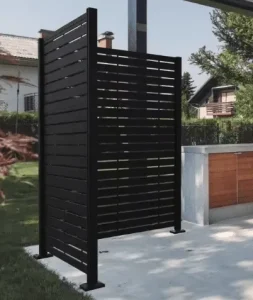
The impact on a property’s visual identity can be significant. A fence in a standard color functions as a boundary. A fence in a carefully matched custom color becomes part of the architectural composition. Consider an aluminum slat fence in a bronze shade that picks up tones from nearby stonework, or an aluminum privacy fence that continues the color language of a building’s facade. These details elevate the entire property.
Custom colors work particularly well for modern fence aesthetics where designers want to push beyond conventional options. They’re also valuable for landscape design fence applications where the goal is seamless integration with surrounding plantings and hardscaping.
What Fence Color Trends Look Like for 2025
Predicting trends helps avoid selecting a fence color that feels dated within a few years. For 2025, the direction points toward muted tones, earthy neutrals, and sophisticated dark shades. The bold, vibrant accents that characterized recent years are giving way to understated elegance.
Black, dark grey, and white remain popular fence colors, but the finishes are changing. Matte and textured surfaces are replacing glossy ones. These finishes reduce glare and add visual depth to the fence surface. Subtle metallic hues are also gaining traction, offering a contemporary twist on traditional options without looking flashy.
Outdoor living trends drive some of these shifts. As outdoor spaces function more like extensions of indoor rooms, fence colors need to create seamless transitions rather than stark boundaries. This often means selecting colors that evoke calm and sophistication rather than drawing attention to themselves.
| Trend Aspect | 2024 Focus | 2025 Focus |
|---|---|---|
| Dominant Colors | Bold, vibrant accents | Muted, earthy, sophisticated darks |
| Finishes | Glossy, standard | Matte, textured, subtle metallic |
| Aesthetic Goal | Stand-out features | Seamless integration, understated elegance |
| Environmental Link | Emerging awareness | Strong emphasis on sustainable, natural tones |
| Material Influence | Broad spectrum | Enhanced compatibility with metal and composite |
Sustainable fence colors are also gaining attention. This reflects broader environmental consciousness and a desire for fences that harmonize with natural surroundings rather than dominating them. Earth tones and colors derived from natural materials tend to age more gracefully and maintain their appeal longer.
Selecting a future-proof fence color means balancing current trends with timeless appeal. Colors that work across multiple architectural styles and landscape types offer more flexibility as surrounding properties evolve.
Why Coating Performance Matters as Much as Color
A beautiful fence color means nothing if it fades, chips, or corrodes within a few years. The coating system determines how long that color actually lasts.
UV resistance prevents the sun from breaking down pigments and dulling the finish. Without adequate UV protection, even the most vibrant fence color will fade noticeably within a few seasons. Weather durability extends this protection to rain, snow, temperature swings, and humidity. These environmental stresses test coatings constantly, and inferior systems fail.
Advanced powder coating technology creates self-cleaning fence surfaces. The coating’s surface properties cause dirt and grime to wash away with rainfall rather than accumulating. This reduces maintenance requirements significantly. A fence that stays clean without regular washing saves time and money over its service life.
Corrosion protection is particularly critical for zinc steel fence coatings and aluminum fence finishes. Rust and oxidation compromise both appearance and structural integrity. Multi-layer coating systems create barriers against moisture, chemicals, and physical abrasion. These layers work together to extend the fence’s functional lifespan.
The practical benefits accumulate over time:
- Extended lifespan reduces replacement costs
- Self-cleaning properties minimize maintenance labor
- Fade-resistant colors maintain property appearance
- Durable coatings reduce environmental impact from premature replacement
- Long-term savings offset higher initial quality investments
These performance characteristics ensure fences deliver value for decades rather than years. The coating system is essentially invisible, but it determines whether the fence color you selected today still looks good in fifteen years.
If you’re interested in how these technologies come together in complete fencing systems, check 《YLOONG Solutions: Engineered for Security, Designed for Performance》.
Matching Fence Colors to Specific Applications
Different environments demand different approaches to fence color selection. What works for a residential backyard won’t necessarily suit an industrial facility or municipal park.
Municipal fence colors often prioritize safety and visibility alongside aesthetic integration. Safety barriers might use bright, contrasting colors that catch attention. Fences around parks and public spaces typically use more subdued tones that blend with urban architecture. The goal is functional visibility without visual disruption.
Residential community fencing focuses on property value and neighborhood cohesion. Classic fence colors like black, white, and dark green offer timeless appeal that works across different home styles. Custom colors can match individual homes or reinforce community design themes. Durability and low maintenance matter here because homeowners rarely want to deal with frequent touch-ups.
Industrial park fences and commercial development fences need to project professionalism and security. Neutral tones like grey or black convey strength without calling excessive attention. Corporate branding can be incorporated through custom color matching when the fence serves as part of the company’s visual identity.
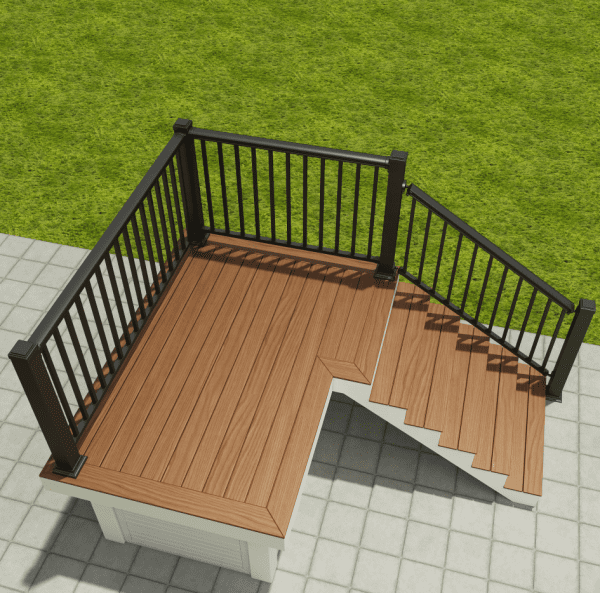
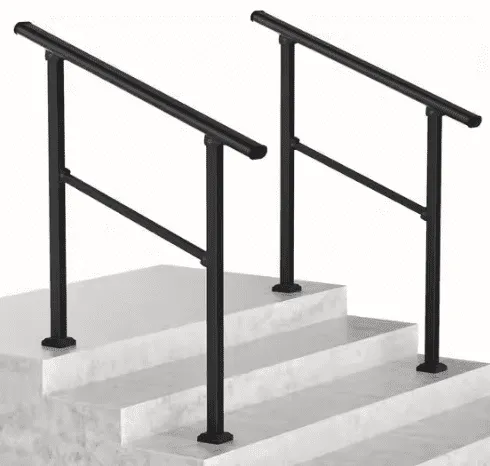
Balcony railing colors and stair handrail finishes require careful coordination with building facades. These elements are seen up close and in direct relationship to windows, doors, and other architectural details. Darker shades typically offer sophistication, while lighter colors can make spaces feel more open. Aluminum balcony railing and aluminum stair railing system products are available in ranges that accommodate most design requirements.
Each application balances visual impact against practical considerations. The fence color that looks perfect in a sample might overwhelm a small space or disappear against a particular backdrop. Site-specific evaluation catches these issues before installation.
Frequently Asked Questions About Fence Colors
What fence colors hold up best in harsh climates?
Fence colors applied with advanced powder coating technology perform best in harsh climates. The coating matters more than the color itself, though darker shades like grey, black, and bronze tend to show less visible wear over time. UV resistance prevents fading from sun exposure, while corrosion protection systems resist rust even in coastal or high-humidity environments. Multi-layer coatings create robust barriers against moisture and temperature extremes.
How do I match my fence color to my home’s exterior?
Start by identifying the dominant colors in your home’s exterior, including siding, trim, roof, and any stonework or brick. Custom color matching services can find exact shades when standard options don’t work. RAL charts offer extensive residential fence colors that complement most palettes. The critical step is requesting coated samples and evaluating them on site, ideally at different times of day. Colors look different under morning light than afternoon sun, and what works in a catalog might clash in reality.
Are there eco-friendly fence color options?
Powder coating technology minimizes volatile organic compounds compared to liquid paints, making it a more environmentally responsible choice. The coatings themselves are non-toxic once cured. Beyond the coating chemistry, the durability of the finish contributes to sustainability by extending the fence’s service life. A fence that lasts thirty years generates less waste than one that needs replacement after ten.
Moving Forward with Your Fence Color Selection
Selecting the right fence color involves more than picking a shade that looks good today. The decision affects how the fence integrates with its surroundings, how it performs over time, and how much maintenance it requires. RAL standards provide precision and consistency. Custom colors solve problems that standard options can’t address. Advanced coatings ensure the color you choose actually lasts.
For consultation on specific fence color requirements, reach out at +8619086315193 or sales01@yulongkeji-ch.com. Whether the project involves municipal infrastructure, residential communities, or commercial developments, the right color selection makes a measurable difference in the final result.