Yulong

NEWS

B2B Fence & Railing Supplier: Vetting for Reliability & Quality

Choosing a B2B fence and railing supplier shapes everything that follows—project timelines, safety margins, and what maintenance looks like five years down the road. I’ve watched procurement teams treat this decision as routine purchasing, then spend months managing the fallout from inconsistent quality or missed delivery windows. The complexities run deeper than most specification sheets suggest, and getting this right means understanding what actually separates reliable manufacturers from those who simply meet minimum requirements.

What Manufacturer Capabilities Actually Tell You About Product Quality

Walking through a production facility reveals more than any sales presentation. The difference between a manufacturer running automated production lines and one relying on manual processes shows up directly in the finished product—dimensional consistency, surface finish uniformity, and how well coatings adhere to base materials.

For aluminum fencing production and zinc steel railing systems, surface treatment technology matters enormously. Powder coating thickness, pre-treatment chemistry, and curing parameters all affect corrosion resistance and weather durability. A facility with process controls and documented parameters produces predictable results. One without them produces surprises.

Factory audits and process flowcharts serve a practical purpose here. They let you trace how raw material becomes finished product, where quality checks happen, and what happens when something falls outside specification. This isn’t bureaucratic box-checking—it’s understanding whether the fence panels arriving at your job site will match the samples you approved.

How Automated Production Lines Enhance Product Consistency

Automation removes the variability that comes with manual operations. When a welding robot follows programmed parameters, every joint gets the same penetration depth and bead profile. When a cutting system works from digital files, every piece matches dimensional specifications within tight tolerances.

This matters for field installation. Components that fit together predictably reduce labor time and eliminate the field modifications that compromise structural integrity. Quality control automation catches deviations before products ship, rather than after they’ve been installed.

The connection to supplier reliability is straightforward: manufacturers who invest in automation have committed capital to consistent output. That investment signals intention to remain in business and maintain standards over time.

Product Quality Verification Through Certifications and Performance Standards

Certifications exist because buyers need objective verification of manufacturer claims. Material specifications for aluminum and zinc steel define composition, mechanical properties, and acceptable variation ranges. Without these standards, comparing suppliers becomes guesswork.

Performance metrics like self-cleaning properties and long service life require testing protocols to verify. A manufacturer claiming 25-year corrosion resistance should have accelerated weathering test data supporting that claim. Environmental standards compliance indicates attention to process controls that often correlate with product quality.

What Certifications Matter When Selecting a Fence and Railing Manufacturer

Certifications provide documented evidence that external auditors have verified a manufacturer’s systems and outputs. The relevant ones for fence and railing procurement include:

Certification Focus Area Significance for B2B Buyers
ISO 9001 Quality Management System Consistent product quality
CE Mark European Conformity Meets EU health & safety standards
ASTM Material Standards Specified material properties
ISO 14001 Environmental Management Sustainable practices
OHSAS 18001 Occupational Health & Safety Safe manufacturing environment

ISO 9001 certification means a quality management system exists and undergoes regular external audits. CE marking confirms products meet European safety, health, and environmental requirements—relevant even for non-European projects because it indicates testing against recognized standards. ASTM standards specify material properties and testing methods, giving you a common language for specifications.

These certifications don’t guarantee perfect products, but they establish baseline expectations and provide recourse when products fall short.

Evaluating Supplier Experience Through Project Portfolio and International Reach

A manufacturer’s track record reveals capability more reliably than capability claims. Project portfolios showing municipal projects, residential communities, industrial parks, and commercial developments demonstrate experience across different requirements and installation conditions.

International export capability indicates something beyond market reach. Manufacturers serving global markets have navigated different regulatory environments, shipping logistics, and customer expectations. This typically requires more robust documentation, quality systems, and communication processes than domestic-only operations.

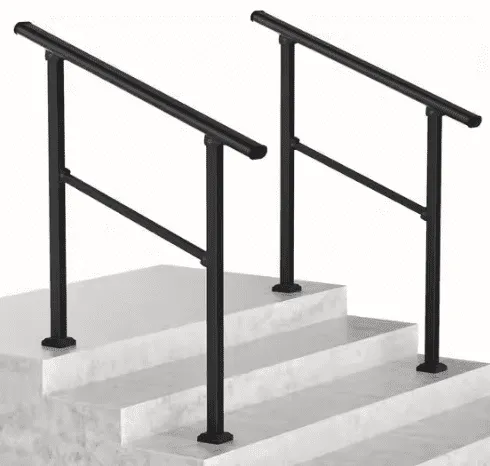
Reviewing past project references and case study details helps gauge whether a supplier’s experience matches your project requirements. A manufacturer specializing in Aluminum Balcony Railing and Aluminum Stair Railing System for diverse architectural applications brings different expertise than one focused solely on industrial perimeter fencing. Aluminium stair balustrade

Financial Stability and Customer Support as Partnership Indicators

Supplier financial health affects your project risk directly. A manufacturer facing cash flow problems may cut corners on materials, delay shipments waiting for payment from other customers, or exit the business entirely—leaving you without warranty support or replacement parts.

Effective communication channels matter throughout the project lifecycle. Clear lead times and delivery schedules allow coordination with other trades. Warranty policies define what happens when products fail prematurely. Responsive customer support resolves issues before they become project delays.

These factors collectively indicate whether a supplier approaches B2B relationships as transactions or partnerships. The difference shows up when problems arise—and problems always arise eventually.

Why Due Diligence Determines B2B Fence and Railing Procurement Success

Thorough vetting before purchase orders prevents expensive corrections afterward. Poor supplier selection leads to cost overruns when materials need replacement, project delays when shipments arrive late or incorrect, and reputational damage when installed products fail prematurely.

Comprehensive due diligence ensures cost-effectiveness in procurement by identifying suppliers whose pricing reflects actual quality rather than cut corners. It enables effective project risk mitigation by revealing potential problems before they affect your timeline.

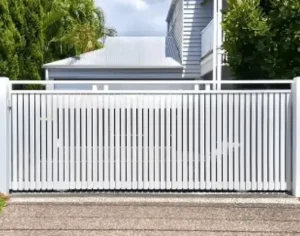
This approach builds long-term supplier partnerships based on verified performance rather than optimistic assumptions. The investment in upfront evaluation pays returns across multiple projects and years of operation. Aluminum slat fence panels

Partner with Hubei Yulong for Superior Fencing Solutions

Elevate your projects with unparalleled safety and aesthetic appeal. Partner with Hubei Yulong Environmental Protection Building Materials Technology Co., Ltd. for innovative, durable, and environmentally conscious fencing and railing solutions. Contact us today to discuss your specific project needs and experience our commitment to excellence. Reach out at +8619072006155 or yloongfence@gmail.com for a consultation.

What Questions Should I Ask About Material Sourcing

When vetting a B2B fence and railing supplier, start with raw material origins and quality specifications for aluminum and zinc steel. Ask about material testing procedures—incoming inspection, batch sampling, and rejection rates. Inquire about certifications for sustainable sourcing and how they maintain consistency in material composition across production runs. Understanding their supply chain for core components reveals how much control they have over the quality reaching your project.

How Can I Verify Production Capacity and Quality Control

Request factory tour videos or arrange virtual tours to see production lines operating. Review their automation details and ask for quality assurance protocols with specific parameters and tolerances. Look for evidence of advanced surface treatment technology and corrosion resistance testing documentation. Ask for records of internal quality checks and external audit results to assess whether consistent production excellence is documented or just claimed.

What Makes Hubei Yulong a Reliable Choice for B2B Fencing

Hubei Yulong Environmental Protection Building Materials Technology Co., Ltd. specializes in aluminum and zinc steel fencing systems with automated production lines and advanced surface treatment technology. Products deliver superior corrosion resistance, weather durability, and self-cleaning performance that supports long service life in demanding environments. The company provides reliable solutions for urban safety protection and environmental beautification, with documented project experience across municipal, residential, industrial, and commercial applications globally.

Share with: