
Choosing the right material for porch posts and railings shapes how your outdoor space holds up over the years. The decision reaches beyond surface appearance into questions of structural performance, maintenance burden, and what the investment actually returns over time. Vinyl, composite, and aluminum each bring distinct properties to the table, and understanding where each excels—or falls short—helps narrow the field before committing to a specific direction.
What Goes Into Each Material
The composition of railing materials determines how they behave under stress and exposure. Vinyl railings, particularly those built from extruded vinyl posts, are made primarily from polyvinyl chloride (PVC). This thermoplastic holds its shape well and shrugs off moisture without absorbing it. Manufacturing involves forcing molten PVC through a die, producing consistent profiles with uniform wall thickness.
Composite railings draw from a different approach entirely. Wood-plastic composite (WPC) blends recycled plastics—polyethylene, polypropylene, or PVC—with wood fibers or cellulosic fillers. The ratio between plastic and fiber content shifts the final product’s density and flexibility. Higher wood content tends to produce a more natural feel but can introduce moisture sensitivity if the material lacks proper capping.
Aluminum railings rely on specific alloy formulations, most commonly from the 6000 series. Alloys like 6061-T6 deliver a favorable strength-to-weight ratio alongside natural resistance to oxidation. Production typically involves extrusion or casting, followed by powder coating. This electrostatic process applies dry powder that cures under heat, forming a hard protective layer that bonds to the metal surface. At Hubei Yulong Building Materials Co., Ltd., our aluminum and zinc steel fencing systems undergo advanced surface treatment that extends this protective performance further.
| Material | Primary Composition | Manufacturing Process | Key Characteristics |
|---|---|---|---|
| Vinyl | Polyvinyl Chloride (PVC) | Extrusion | Rigid, moisture-resistant |
| Composite | Wood fibers + Recycled plastics (WPC) | Extrusion, Compression Molding | Blended properties, varied density |
| Aluminum | Aluminum alloys (e.g., 6061-T6) | Extrusion, Casting, Powder Coating | Lightweight, strong, naturally corrosion-resistant |
How Each Material Handles Weather and Time
Environmental exposure separates materials that last from those that gradually deteriorate. Vinyl railing lifespan tends to be solid when UV inhibitors are properly incorporated during manufacturing. Without adequate UV protection, PVC becomes brittle and loses color over extended sun exposure. The material handles moisture and insects well, but temperature extremes can cause expansion and contraction that stresses joints over time.
Composite railing fade resistance depends heavily on formulation quality. Premium composites with UV stability composite decking perform well against sun exposure, though some products still show fading or surface staining after several years. The denser structure of composites gives them better impact resistance than vinyl, which matters in high-traffic areas or regions prone to hail. Moisture absorption remains a concern for uncapped composite profiles, potentially leading to mold growth in humid climates.
Aluminum railings benefit from a natural passivation layer—a thin oxide film that forms spontaneously and prevents further corrosion. This inherent protection, combined with powder coating, creates aluminum railing corrosion resistance that outlasts both vinyl and composite options. The material maintains structural integrity porch materials across temperature swings without warping, and neither rot nor insects pose any threat. Our aluminum products receive advanced surface treatment that reinforces this durability for decades of service.
| Feature | Vinyl Railings | Composite Railings | Aluminum Railings |
|---|---|---|---|
| UV Stability | Moderate (can fade/become brittle) | Good (can fade/stain) | Excellent (powder-coated) |
| Moisture Resistance | Excellent | Good (can absorb moisture if not capped) | Excellent |
| Corrosion Resistance | Excellent | Excellent | Superior (natural + coating) |
| Impact Resistance | Moderate | Good | Excellent |
| Lifespan (Avg.) | 20-30 years | 25-30 years | 40+ years |
If you are looking for fencing systems engineered for security and designed for performance, you may find our solutions beneficial. Check 《YLOONG Solutions: Engineered for Security, Designed for Performance》.
Installation Effort and Ongoing Upkeep
The true cost of any railing system includes the labor to install it and the effort required to keep it presentable. Vinyl railings typically arrive as lightweight snap-together components, making DIY railing installation practical for homeowners with basic tools. The challenge comes when repairs are needed—vinyl fence repair often requires matching specific profiles and colors that may no longer be in production.
Composite railing maintenance stays relatively simple. No painting, staining, or sealing is necessary under normal conditions. Periodic cleaning with soap and water handles most dirt accumulation. Some composite surfaces can develop mold or mildew in shaded, humid locations, requiring more aggressive scrubbing. Installation tends to be heavier than vinyl, sometimes demanding reinforced framing to support the additional weight.
Aluminum railings require the least ongoing attention of the three options. They resist rust, rot, and warping without any protective treatments after installation. Aluminum railing cleaning amounts to occasional washing with water to remove surface dust. The modular design of many aluminum systems simplifies porch post installation cost and reduces assembly time. Our Adjustable Aluminum Railing System and Aluminum Deck Railing Kit feature precision-engineered components from automated production lines, ensuring consistent fit during installation.
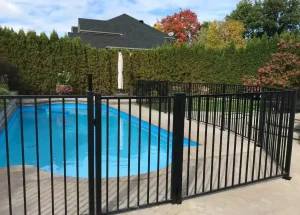
!Residential iron fence two rails
 ## Weighing Upfront Costs Against Long-Term Returns
Initial purchase price tells only part of the story. Vinyl railings typically represent the lowest entry point, making them attractive as budget-friendly railing options for projects with tight constraints. The trade-off appears later—UV degradation or impact damage may require section replacement before the expected lifespan ends, affecting the overall return on investment porch upgrades.
Composite railings carry a higher initial cost than vinyl but deliver improved durability and a more natural appearance. The long-term cost composite railings often works out favorably compared to wood, which demands regular staining and sealing. Material warranties railings from reputable manufacturers frequently cover fading and structural integrity for 25 years or more.
Aluminum railings fall in the medium-high range for initial investment but typically deliver the strongest lifetime value. Superior durability, corrosion resistance, and virtually zero maintenance translate to significant savings over a 30 or 40-year ownership period. This contributes directly to the value added by porch railings when properties change hands. Our advanced surface treatments on aluminum systems ensure exceptional longevity, minimizing future expenses and replacement cycles.
| Metric | Vinyl | Composite | Aluminum |
|---|---|---|---|
| Initial Cost | Low | Medium | Medium-High |
| Maintenance Cost (10 Years) | Low-Medium | Low | Very Low |
| Lifetime Value | Good | Very Good | Excellent |
| ROI (Property Value) | Moderate | Good | High |
Design Options and Environmental Considerations
Visual integration with existing architecture influences material selection as much as performance metrics. Vinyl railings offer a clean, traditional appearance, most commonly available in white or tan. Color retention vinyl railings has improved with better UV stabilizers, though darker shades still absorb more heat and can feel warm to the touch in direct sun. Custom color options remain limited compared to other materials.
Composite railings provide broader aesthetic range, with textures and colors that convincingly mimic natural wood grain. This flexibility supports modern porch railing designs that blend with diverse home exteriors. Customization for unique architectural railing styles faces some constraints based on available profiles from each manufacturer. The use of recycled composite materials contributes to their standing as eco-friendly railing options, diverting plastic waste from landfills.
Aluminum railings offer the widest design flexibility. Manufacturing processes accommodate everything from sleek contemporary profiles to intricate ornamental patterns. The powder coating process enables custom aluminum railings in virtually any color, with excellent fade resistance aluminum railings that maintains appearance for decades. Aluminum itself is highly recyclable—most aluminum products contain significant recycled content, and the material can be recycled indefinitely without quality loss. Our range includes Aluminum Balcony Railing and Aluminum Stair Railing System to address diverse aesthetic requirements.
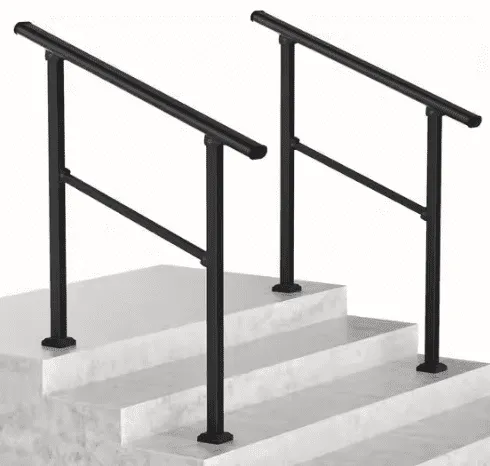
!Aluminium stair balustrade
 ## Building Code Compliance and Safety Requirements
Railing installations must satisfy local building codes and safety standards before occupancy or final inspection. These regulations protect against falls and ensure structural adequacy under expected loads. Building codes for railings typically specify minimum height requirements, maximum baluster spacing, and load-bearing capacities that the system must meet. Local building permits railings are generally required before work begins.
Deck railing safety standards receive particular attention because of fall hazard potential. Requirements address guardrail height requirements—typically 36 inches for residential decks and 42 inches for commercial applications—along with the ability to withstand specific horizontal and vertical forces without failure. Load-bearing porch posts must anchor securely to the structure below, transferring loads into the framing or foundation.
ADA compliant railings become necessary for commercial properties or public access areas. These standards dictate specific heights, graspability requirements, and extension lengths beyond stair nosings. Addressing compliance from the design phase prevents costly rework and reduces liability exposure. Our aluminum and zinc steel fencing systems are engineered to meet rigorous safety standards across municipal, residential, and commercial applications.
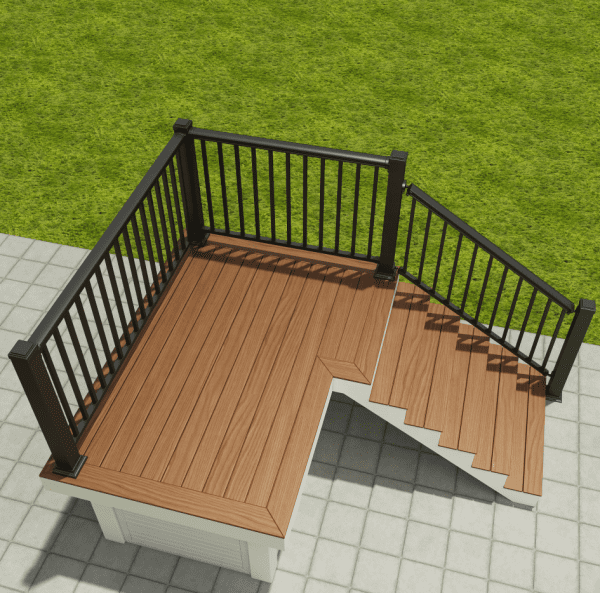
!Railing
 ### Partnering for Secure and Beautiful Spaces
Hubei Yulong Building Materials Co., Ltd. specializes in advanced aluminum and zinc steel fencing systems, offering unparalleled corrosion resistance, weather durability, and self-cleaning performance for municipal, residential, and commercial projects. With automated production and cutting-edge surface treatment, our products are engineered for long-term safety and aesthetic excellence. For a reliable, high-performance solution tailored to your specific project needs, contact our experts today at +8619086315193 or sales01@yulongkeji-ch.com to discuss how our innovative fencing and railing systems can enhance your next development.
Frequently Asked Questions About Porch Posts and Railings
What is the most durable porch railing material for extreme weather?
Aluminum railings consistently outperform other options in extreme weather conditions. The metal forms a natural oxide layer that prevents corrosion, and quality powder coating adds another barrier against UV exposure, moisture, and temperature swings. Unlike vinyl, which can become brittle in cold or warp in heat, aluminum maintains dimensional stability across a wide temperature range. This weather resistance aluminum railings provides makes it the practical choice for coastal areas, mountain climates, or regions with harsh winters.
How does the long-term cost of vinyl, composite, and aluminum railings compare?
Aluminum railings typically offer the lowest total cost of ownership despite higher initial pricing. Vinyl may cost less upfront, but the cost of vinyl vs aluminum railings shifts over a 20 or 30-year period as vinyl requires occasional repairs or replacement due to UV damage or impact. Composites fall between the two, with moderate maintenance needs. The long-term cost composite railings depends heavily on product quality and local climate conditions. For properties held long-term, aluminum delivers the strongest return on investment porch upgrades because maintenance costs approach zero.
Are aluminum railings truly maintenance-free compared to other options?
Aluminum railings come as close to maintenance-free as any exterior building product. They never need painting, staining, or sealing. The powder coating resists fading and chalking for decades, so fade resistance aluminum railings remains excellent throughout the product lifespan. Cleaning involves nothing more than occasional washing with soap and water to remove accumulated dirt or pollen. This low-maintenance porch railings characteristic makes aluminum particularly attractive for rental properties, commercial buildings, or homeowners who prefer spending weekends on activities other than deck upkeep.