
Picking the right material for outdoor metal stair railing sounds straightforward until you’re standing in front of three different samples, each with its own set of trade-offs. I’ve watched projects succeed or struggle based on this single decision, and the difference usually comes down to understanding what each material actually does when weather hits it year after year.
What Makes Aluminum Work for Exterior Railings
Aluminum earns its popularity for outdoor metal stair railing applications through a combination of practical advantages that show up during both installation and long-term use. The material weighs roughly one-third of steel, which translates directly into easier handling on job sites and reduced structural load on supporting elements. More importantly for outdoor applications, aluminum develops a natural oxide layer when exposed to air. This self-forming barrier prevents the underlying metal from corroding, even in coastal environments where salt spray destroys unprotected metals within months.
The fabrication flexibility matters too. Aluminum accepts powder coating readily, creating a finish that resists UV degradation and allows color matching to virtually any architectural scheme. This coating bonds to the oxide layer rather than sitting on bare metal, which explains why properly finished aluminum railings maintain their appearance for decades rather than years.
| Feature | Description |
|---|---|
| Weight | Lightweight, easy to handle |
| Corrosion | Excellent natural resistance |
| Maintenance | Low, requires minimal upkeep |
| Design | Highly versatile, easily customizable |
| Sustainability | Fully recyclable |
| Finish Options | Powder coating, anodizing, brushed |
Why Aluminum Makes Sense for Outdoor Stair Handrails
The weight advantage of aluminum for outdoor metal stair railing installations becomes obvious during installation. Crews can position sections without heavy equipment, cutting project timelines and labor costs. This matters especially on renovation projects where access is limited or existing structures can’t support heavy loads during installation.
Recyclability adds another dimension worth considering. Aluminum can be melted and reformed indefinitely without losing its properties, making it one of the more environmentally responsible choices available. The rust-proof nature of the material means maintenance typically involves nothing more than occasional cleaning. Custom configurations, including aluminum balcony railing systems and adjustable aluminum railing system designs, accommodate specific site requirements without compromising durability.
Steel Railing Systems and the Outdoor Corrosion Challenge
Steel delivers strength that aluminum simply cannot match. For high-traffic commercial applications or industrial settings where impact resistance matters, steel outdoor metal stair railing systems provide structural security that justifies their use. The material costs less than stainless steel and offers rigidity that some architects specifically require for their designs.
The catch is corrosion. Steel rusts. Left untreated in outdoor environments, steel railings will develop surface oxidation within weeks and structural degradation within years. This isn’t a flaw so much as a characteristic that demands proper treatment. The iron in steel reacts with oxygen and moisture through an electrochemical process that continues until the metal is consumed or protected.
| Feature | Description |
|---|---|
| Strength | High tensile strength, very rigid |
| Cost | Generally more affordable than stainless steel |
| Corrosion | Susceptible to rust without treatment |
| Maintenance | Moderate to high, depending on treatment |
| Design | Robust, classic aesthetic |
| Applications | Industrial, commercial, heavy-duty |
How Protective Treatments Extend Steel Railing Life
Protecting steel stair railings outdoor requires layered defenses. Hot-dip galvanizing submerges the steel in molten zinc, creating a coating that bonds metallurgically to the base metal. This zinc layer corrodes preferentially, sacrificing itself to protect the steel underneath. Even if the coating gets scratched, the zinc continues protecting adjacent areas through galvanic action.
Adding powder coating steel railings over galvanization creates a second barrier. The powder coating resists UV exposure, prevents moisture contact, and provides aesthetic options. This combination of advanced surface treatment technology explains how properly finished steel achieves long service life outdoor railings despite the material’s inherent vulnerability. The key is ensuring complete coverage and maintaining the coating integrity over time.
Stainless Steel Performs Where Other Metals Fail
Stainless steel represents the premium tier for outdoor metal stair railing applications, and the price reflects genuine performance advantages. The chromium content, typically at least 10.5%, reacts with oxygen to form a passive chromium oxide layer. Unlike rust, this layer is stable, invisible, and self-healing. Scratch the surface, and the chromium immediately reacts with available oxygen to reform the protective barrier.
For marine environments or industrial settings with chemical exposure, marine-grade stainless steel grades like 316L add molybdenum to the alloy. This modification dramatically improves resistance to chloride-induced pitting, the type of corrosion that destroys lesser materials in saltwater exposure. The result is high corrosion resistance railings that maintain structural integrity and appearance in conditions that would destroy aluminum or treated steel within years.
| Feature | Description |
|---|---|
| Corrosion | Excellent, especially marine-grade |
| Strength | High, comparable to steel |
| Cost | Premium, highest initial investment |
| Maintenance | Very low, minimal cleaning required |
| Aesthetic | Modern, sleek, high-end |
| Applications | Marine, high-end residential, commercial |
Which Metal Lasts Longest in Outdoor Stair Railing Applications
Stainless steel consistently outlasts other options for outdoor metal stair railing installations, particularly in challenging environments. The passive layer regenerates continuously, meaning the protection doesn’t wear away over time like applied coatings can. For extreme weather railings or applications where replacement would be difficult or expensive, stainless steel delivers the best metal railing lifespan available.
Steel offers comparable strength but depends entirely on its protective treatments remaining intact. Aluminum provides excellent corrosion resistance but lacks the ultimate structural capacity of steel alloys. When longevity drives the decision and budget permits the higher initial investment, stainless steel reduces lifetime costs through minimal maintenance and extended service intervals.
Comparing Aluminum, Steel, and Stainless Steel for Exterior Steps
The material comparison for outdoor metal stair railing projects involves balancing competing priorities. Initial cost favors aluminum for most residential applications and steel for industrial scale. Stainless steel commands a premium that makes sense only when its specific advantages justify the investment.
Durability calculations change depending on environment. Aluminum performs well in most climates with minimal treatment. Steel requires robust protection but delivers unmatched strength per dollar. Stainless steel excels in corrosive environments where other materials would fail regardless of treatment quality.
Maintenance burden follows a predictable pattern. Stainless steel and properly finished aluminum need only occasional cleaning. Steel demands regular inspection and prompt repair of any coating damage. The aesthetic dimension varies by preference, though aluminum offers the widest range of finish options while stainless steel provides a distinctive contemporary appearance.
| Feature | Aluminum | Steel | Stainless Steel |
|---|---|---|---|
| Cost | Moderate | Low to Moderate (untreated) | High |
| Durability | Good corrosion resistance, lightweight | High strength, prone to rust without treatment | Excellent corrosion resistance, high strength |
| Maintenance | Low | Moderate to high | Very Low |
| Aesthetics | Versatile finishes, modern | Classic, robust | Sleek, contemporary |
| Weight | Lightweight | Heavy | Heavy |
| Recyclability | High | Moderate | High |
What Drives Metal Stair Railing Installation Costs
Material selection accounts for the largest variable in outdoor metal stair railing budgets. Stainless steel typically costs two to three times more than aluminum for equivalent configurations. Steel falls between them, though the gap narrows once proper galvanizing and coating are factored in.
Design complexity adds cost regardless of material. Custom curves, intricate patterns, and non-standard dimensions require additional fabrication time and expertise. Labor rates vary by region and project accessibility. Finishes like specialized powder coating or integrated lighting increase the metal stair railing installation cost further. Realistic budgeting for outdoor railings should account for the full scope of work, not just material prices.
Matching Material Choice to Project Requirements
The right outdoor metal stair railing material depends on specific project conditions rather than general preferences. Residential communities fences and municipal projects railings face different demands than commercial developments fences or industrial applications. Budget constraints matter, but so does the cost of premature replacement or excessive maintenance.
Climate drives material selection more than many project planners realize. Coastal installations need corrosion resistance that inland projects can ignore. High-humidity regions accelerate degradation of inadequately protected steel. Freeze-thaw cycles stress materials differently than constant temperatures. Custom metal railing fabrication allows matching material properties to actual environmental conditions rather than accepting generic solutions.
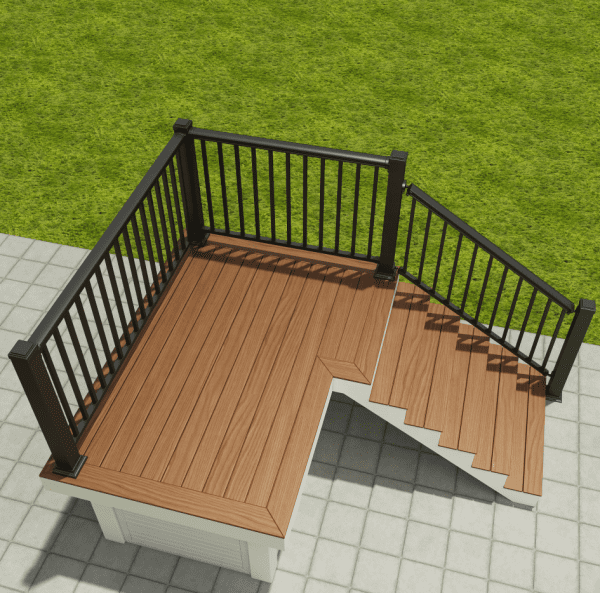
Which Outdoor Metal Railing Needs the Least Attention
Stainless steel requires minimal maintenance for outdoor metal stair railing applications. The self-healing passive layer means cleaning is typically the only regular task, and even that serves appearance rather than protection. Properly powder-coated aluminum comes close, needing only periodic washing to remove accumulated dirt.
Steel demands more vigilance. Even with quality galvanizing and coating, any damage to the protective layers requires prompt attention to prevent corrosion from spreading beneath the surface. For projects where self-cleaning railing systems and minimal upkeep are priorities, stainless steel justifies its higher initial cost through decades of trouble-free service.
Working with Hubei Yulong on Fencing Projects
Hubei Yulong Building Materials Co., Ltd. manufactures aluminum and zinc steel fencing systems using automated production lines that ensure consistent quality across large orders. The advanced surface treatment technology applied to these products delivers corrosion resistance and weather durability that extends service life well beyond industry norms.
Custom railing solutions accommodate the specific requirements of municipal projects, residential developments, industrial parks, and commercial properties. The manufacturing capability supports both standard configurations and bespoke designs. Contact sales01@yulongkeji-ch.com or call +8619086315193 to discuss project specifications and receive detailed pricing.
Frequently Asked Questions About Outdoor Metal Stair Railings
Are metal stair railings safe for outdoor use?
Metal stair railings provide reliable safety for outdoor applications when material selection matches environmental conditions and installation follows structural requirements. The key factors are choosing appropriate corrosion resistance for the climate, ensuring adequate structural capacity for expected loads, and securing proper attachment to supporting elements. Professional installation matters as much as material quality for achieving safe, long-lasting results.
How long do outdoor metal stair railings typically last?
Service life varies substantially by material and maintenance. Aluminum outdoor metal stair railing installations typically last 20-30 years with minimal care. Galvanized and powder-coated steel achieves 25-40 years when protective coatings remain intact. Stainless steel often exceeds 50 years, particularly in demanding environments where other materials would fail sooner. Regular inspection and prompt repair of any damage extends the lifespan of any durable exterior railings regardless of base material.
Can outdoor metal stair railings be customized?
Customization options for outdoor metal stair railing projects include design patterns, finish colors, dimensional specifications, and mounting configurations. Bespoke outdoor railings accommodate unique architectural requirements and site constraints that standard products cannot address. Custom metal railing design allows integration with existing structures and aesthetic themes while maintaining structural performance and code compliance.