
Horizontal metal railings show up everywhere—balconies, staircases, commercial walkways—and for good reason. They handle weather, resist impact, and still look clean after years of use. But the material you choose shapes everything from installation weight to how often you’ll need to touch up the finish. Aluminum, steel, and stainless steel each bring something different to the table, and getting the match right means fewer headaches down the road.
How Aluminum, Steel, and Stainless Steel Actually Compare
The choice between these three materials comes down to what you’re asking the railing to do. Aluminum forms a natural oxide layer the moment it’s exposed to air, which explains why it holds up so well outdoors without constant attention. Steel delivers raw strength—it’s the go-to for industrial settings or anywhere impact resistance matters—but that strength comes with weight and a need for protective coatings. Stainless steel, particularly grades 304 and 316, resists corrosion at a level the other two can’t match. Grade 316 contains molybdenum, which is why it handles saltwater exposure without pitting or staining.
Weight differences matter more than people expect. Aluminum weighs roughly one-third what steel does at comparable dimensions. That changes installation logistics, structural requirements, and labor costs. For a second-floor balcony retrofit, aluminum might be the only practical option without reinforcing the underlying structure.
| Feature | Aluminum | Steel (Galvanized/Powder Coated) | Stainless Steel (304/316) |
|---|---|---|---|
| Durability | Good (Excellent with surface treatment) | Excellent (Requires surface treatment) | Superior |
| Corrosion | Excellent (Natural oxide layer) | Good (Galvanizing/Powder coating) | Superior (Especially 316) |
| Cost | Moderate | Low to Moderate | High |
| Maintenance | Low | Moderate | Very Low |
| Weight | Lightweight | Heavy | Heavy |
| Strength | Good | Excellent | Excellent |
| Weldability | Good | Excellent | Good |
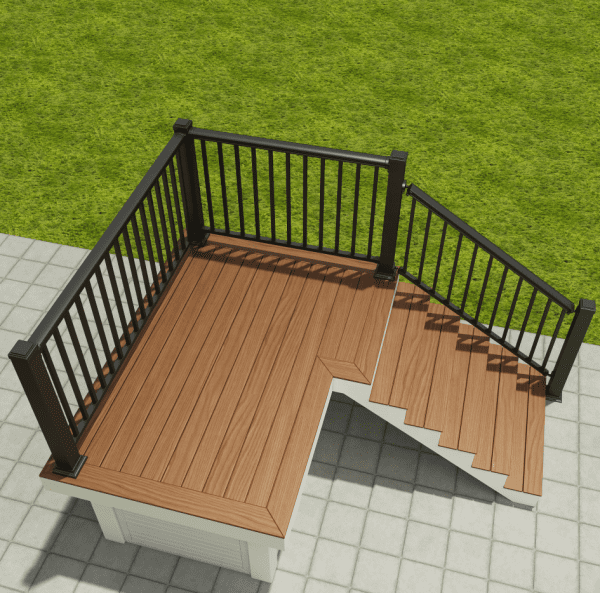
What Actually Drives Deck and Stair Railing Decisions
Material selection is just the starting point. The environment where the horizontal metal railings will live shapes everything else. A railing system on a covered porch in a dry climate faces completely different stresses than one on an exposed coastal deck. Salt spray accelerates corrosion dramatically—even on materials marketed as “rust-resistant”—which is why grade 316 stainless steel or properly powder-coated aluminum becomes necessary rather than optional in those settings.
Building codes add another layer. Residential stair railings typically require specific heights (usually 34-38 inches) and infill spacing tight enough to prevent a 4-inch sphere from passing through. Commercial applications often demand even stricter specifications. Missing these requirements during planning means rework or failed inspections, neither of which anyone wants.
Aesthetics matter too, though they’re harder to quantify. Horizontal metal railings create clean sight lines that vertical balusters can’t replicate. They work particularly well with contemporary architecture and don’t compete visually with views. For deck installations, the railing design should complement the surrounding structure rather than fight against it.
Keeping Horizontal Metal Railings in Good Shape
The maintenance burden varies dramatically by material. Aluminum railings need occasional washing with mild soap and water—that’s genuinely it for most installations. The natural oxide layer regenerates continuously, so minor scratches don’t create rust problems.
Steel requires more vigilance. Galvanized coatings and powder finishes protect the underlying metal, but any breach in that protective layer invites corrosion. Inspect annually for chips, scratches, or areas where the coating has worn thin. Touch-up paint formulated for outdoor metal can extend the life of the finish significantly if applied before rust takes hold.
Stainless steel falls somewhere in between. It’s remarkably low-maintenance under normal conditions, but the chromium oxide layer that provides corrosion resistance can be compromised by harsh chemicals or prolonged contact with dissimilar metals. Passivation—a chemical treatment that restores the protective layer—may be necessary after significant scratching or exposure to chlorine-based cleaners.
Regular fastener inspection applies to all three materials. Loose connections create stress points that accelerate wear and compromise safety.
Commercial and Residential Applications Demand Different Approaches
The gap between residential and commercial horizontal metal railings goes beyond scale. Commercial installations face heavier use, stricter code requirements, and longer expected service lives. A railing system in a shopping center or municipal park needs to handle thousands of interactions daily without showing wear or developing safety issues.
Industrial settings push requirements further. Impact resistance, chemical exposure, and security concerns all factor into material and design choices. Steel often wins in these environments because its strength-to-cost ratio makes sense for applications where aesthetics matter less than durability.
Residential projects offer more flexibility. Homeowners can prioritize appearance, choose materials based on maintenance preferences, and work with custom designs that wouldn’t be practical at commercial scale. Aluminum’s light weight makes it particularly attractive for DIY-friendly installations or situations where structural reinforcement isn’t feasible.
Balcony railings, whether residential or commercial, share a common requirement: they need to look good from both sides. Unlike fence panels that present a “finished” face to one direction, balcony systems are visible from inside and outside the building. Material finish and design details matter more in these applications.
What Different Railing Materials Actually Cost
Price comparisons get complicated quickly because initial cost and total cost of ownership tell different stories. Steel railings often have the lowest upfront price, but maintenance requirements add up over a 20-year lifespan. Repainting every few years, rust treatment, and eventual replacement of corroded sections can push the total investment well past what aluminum or stainless steel would have cost initially.
Aluminum sits in the middle ground. Material costs run higher than basic steel but lower than stainless. The maintenance savings over time often make it the most economical choice for residential applications and many commercial ones.
Stainless steel commands a premium, particularly grade 316. The material itself costs more, fabrication requires specialized equipment and expertise, and installation labor tends to run higher because of the weight. But for coastal installations or high-end architectural projects, the near-zero maintenance and exceptional longevity justify the investment.
Custom fabrication, specialized finishes, and complex installation conditions all add to the final number regardless of material choice. Getting accurate quotes requires detailed specifications rather than rough estimates.
Working with Hubei Yulong
Hubei Yulong Building Materials Co., Ltd. manufactures aluminum and zinc steel fencing systems using automated production lines and advanced surface treatments. The company serves municipal projects, residential communities, and commercial developments with horizontal metal railings engineered for corrosion resistance and extended service life. For project consultations or specifications, reach out at +8619086315193 or sales01@yulongkeji-ch.com.
Common Questions About Horizontal Metal Railings
Do horizontal metal railings work in every climate?
Performance depends heavily on material selection and finish quality. Aluminum with powder coating handles most environments well, including humid and rainy climates. Stainless steel grade 316 is the standard recommendation for coastal areas where salt exposure is constant. Standard steel requires more protective treatment in wet climates but performs fine in dry regions with proper maintenance. The key is matching the material to the specific environmental stresses it will face.
Why choose aluminum over steel or stainless steel for horizontal railings?
Aluminum’s main advantages are weight and maintenance. It weighs about a third of what steel does, which simplifies installation and reduces structural load on decks and balconies. The natural oxide layer provides built-in corrosion resistance without ongoing treatment. Over a 15-20 year lifespan, the maintenance savings often offset the higher initial material cost compared to steel. Stainless steel outperforms aluminum on corrosion resistance, but the price difference is substantial.
How do surface treatments extend railing life?
Powder coating creates a thick, durable finish that resists chipping, scratching, and UV fade far better than liquid paint. The coating bonds to the metal at a molecular level during the curing process, forming a barrier that keeps moisture and oxygen away from the base material. Galvanizing steel adds a zinc layer that sacrifices itself to protect the underlying metal—any corrosion attacks the zinc first. These treatments can add decades to the functional life of a railing system when applied properly and maintained.